



Choosing the right toy can make playtime more enjoyable while helping children learn, explore, and develop new skills. The best toy depends not only on a child’s interests but also on their age and stage of development.
Toys for Babies
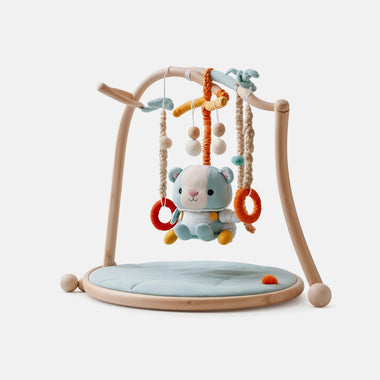
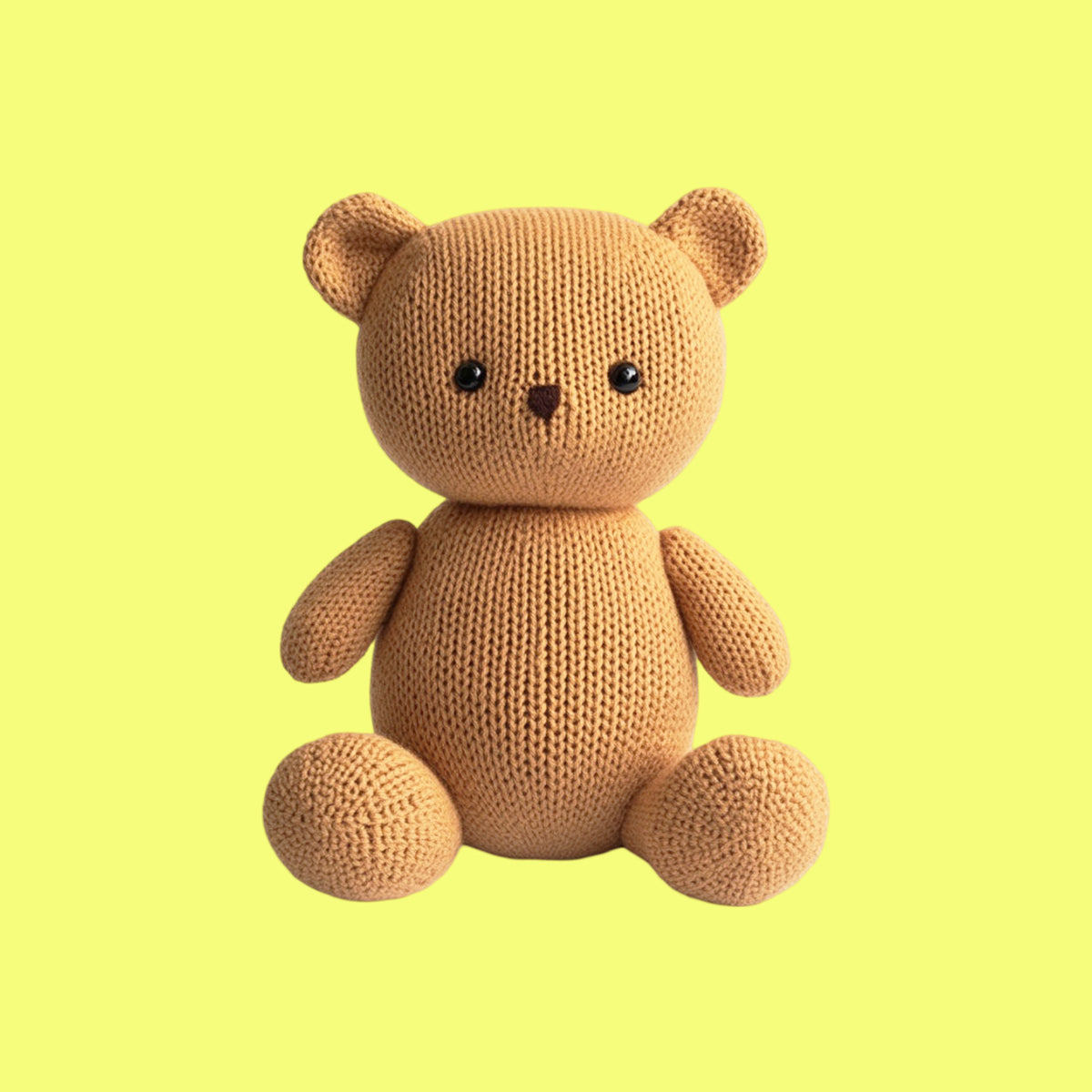
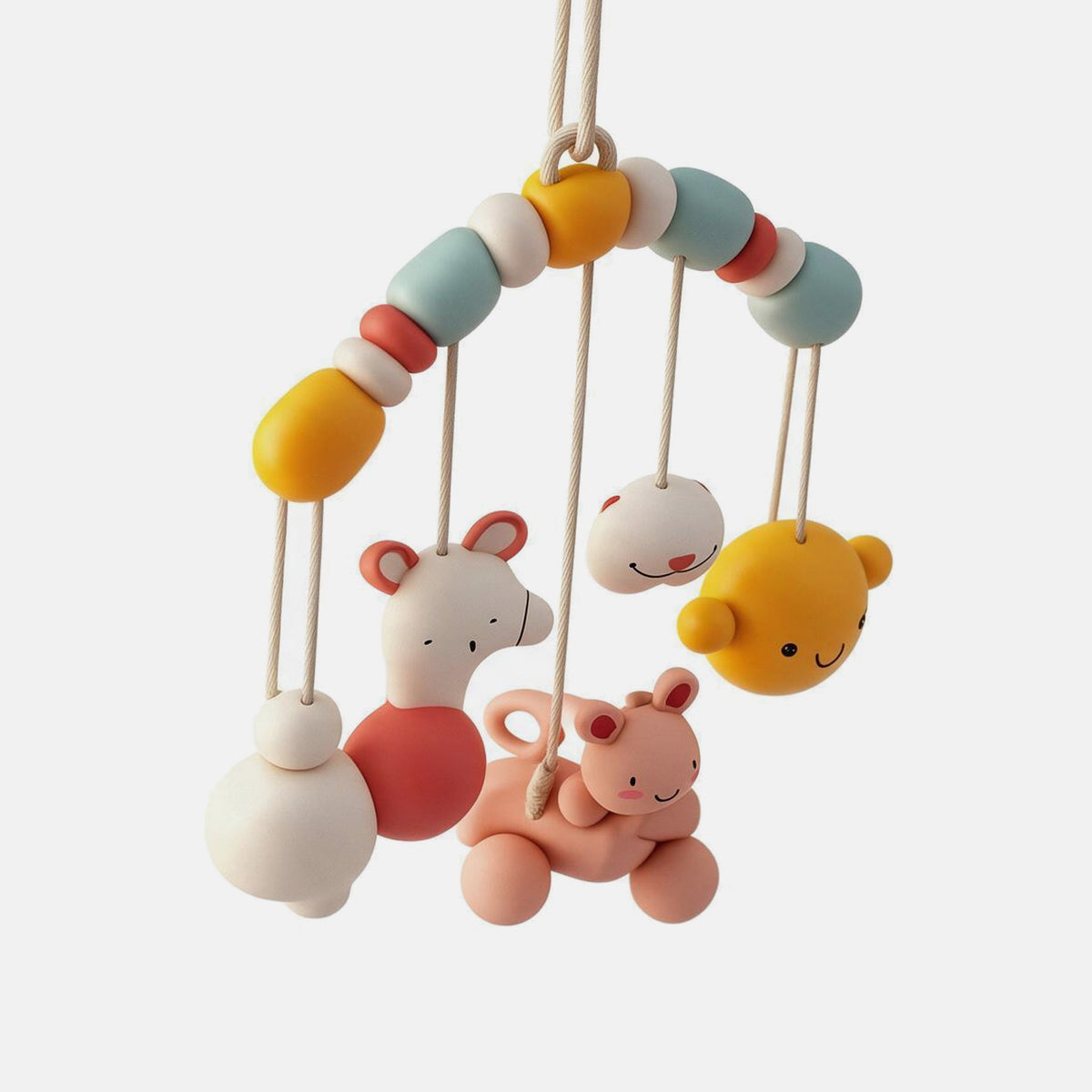
For babies, toys should focus on simple exploration and sensory experiences. Soft, colorful, and easy-to-hold toys are great choices.
Look for:
- Soft plush toys
- Rattles and teething toys
- Sensory toys
- Activity toys
- Simple musical toys
Toys for Toddlers
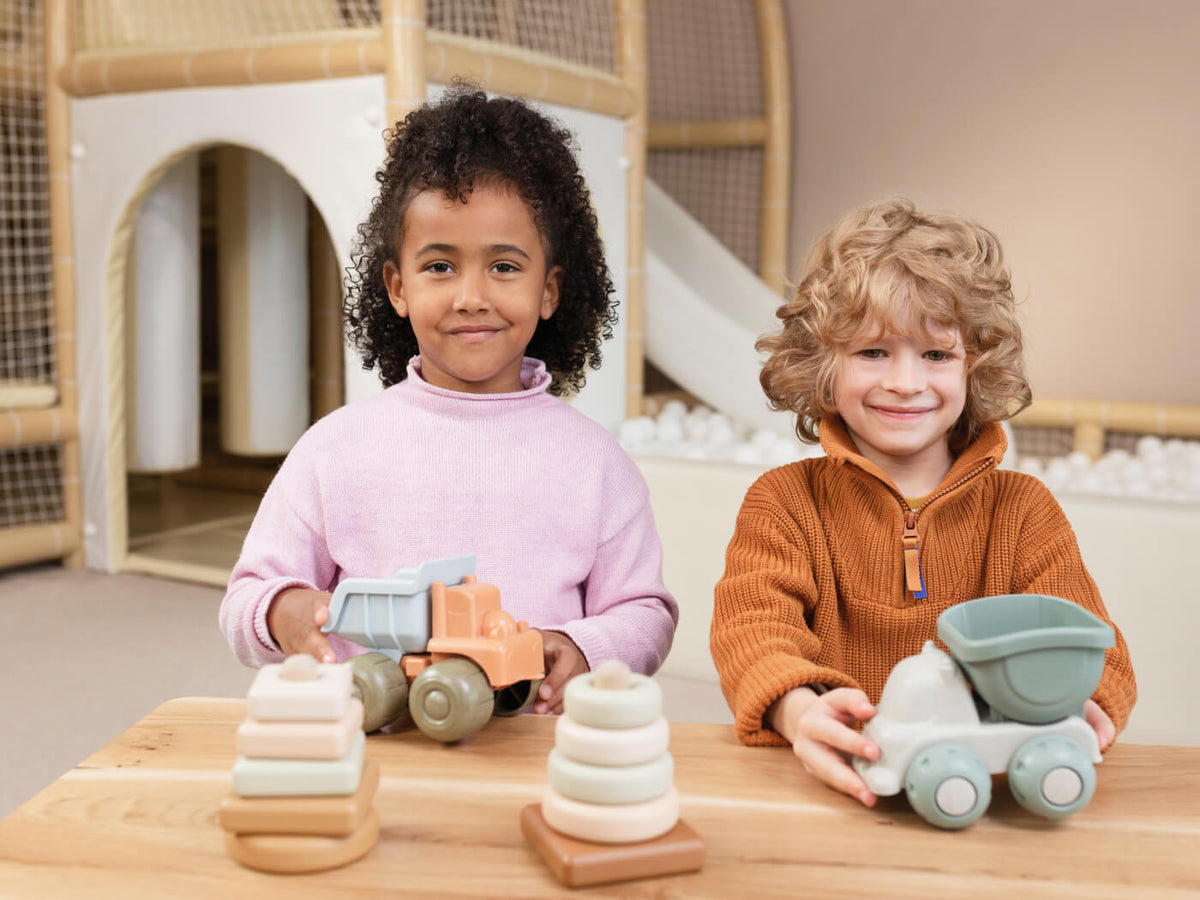
As children grow, they become more curious and active. Toys that encourage movement, creativity, and problem-solving are especially useful.
| Age | Recommended Toys | Key Benefits |
| 0–6 Months | Rattles, soft toys | Sensory development |
| 6–12 Months | Activity toys, stacking toys | Coordination |
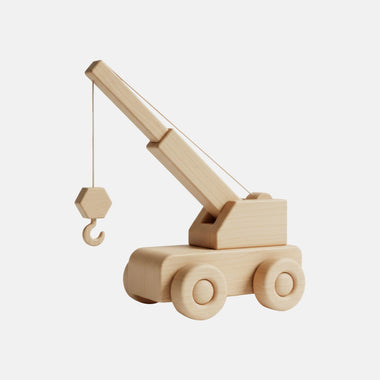
| 1–2 Years | Building sets, vehicles | Motor skills |
| 3–4 Years | Puzzles, creative toys | Problem-solving |
| 5+ Years | Games, construction sets | Creativity and logic |
The best toys encourage children to explore, discover, and learn through play.
Toys for Preschoolers
Children between three and five years old are ready for more interactive and creative toys. Puzzles, building sets, dolls, vehicles, and arts and crafts can provide hours of engaging play.
Choose toys that:
- Encourage imagination
- Develop coordination
- Introduce simple problem-solving
- Support independent play
- Match the child's interests

Toys for Older Children
Older children often enjoy more challenging games, construction sets, puzzles, and creative activities. Toys can become more complex as their skills and interests develop.
The key is to choose something that provides an appropriate level of challenge without making play frustrating.
Final Tips
When choosing a toy, consider the child's age, interests, abilities, and safety. A well-chosen toy can become more than just entertainment—it can encourage curiosity, creativity, and a love of learning.