

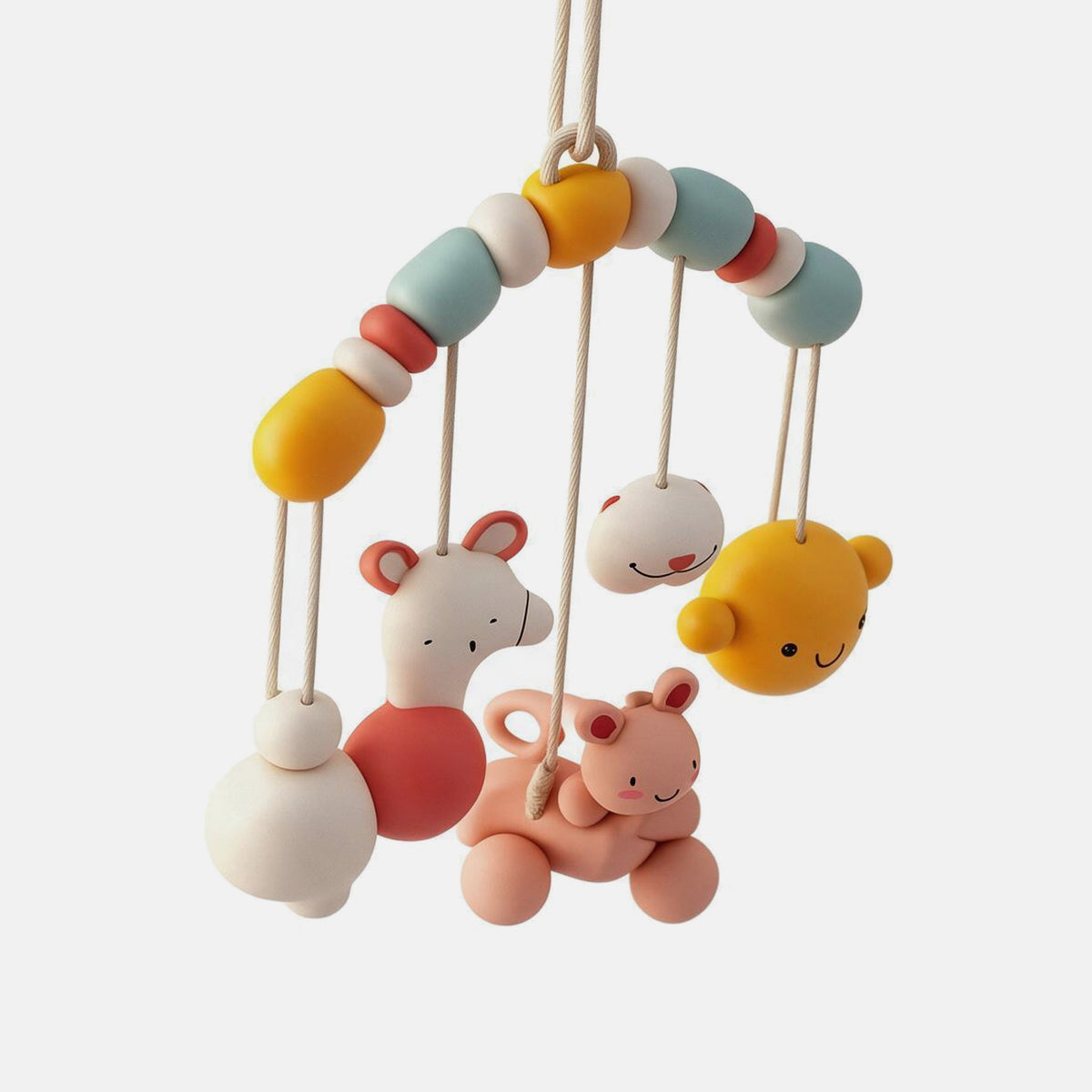


Play is an important part of childhood development. The right toys can encourage children to move, think, create, communicate, and explore the world around them.
Developing Motor Skills
Many toys help children improve hand-eye coordination and movement. Building blocks, puzzles, stacking toys, and activity sets encourage children to use their hands in different ways.
Examples include:
- Building blocks
- Stacking toys
- Puzzles
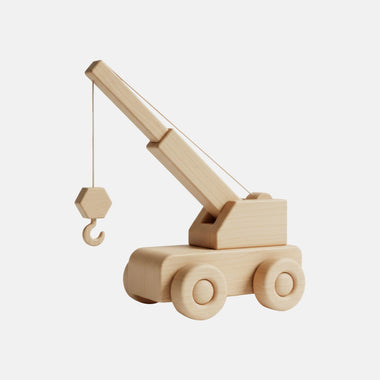
- Toy vehicles
- Drawing and craft sets
Encouraging Creativity
Creative toys give children the freedom to make their own choices and turn ideas into something tangible.
| Toy Category | Main Skill | Example Activity |
| Building Sets | Creativity | Build structures |
| Arts & Crafts | Self-expression | Draw and create |
| Dolls | Imagination | Create stories |
| Vehicles | Imaginative play | Create adventures |
| Puzzles | Logic | Solve challenges |
Play gives children the freedom to learn in their own way
Building Problem-Solving Skills
Puzzles, construction toys, and games encourage children to think about solutions. They learn to try different approaches, recognize patterns, and keep trying when something doesn't work.

Supporting Social Skills
Games and role-play can also help children develop communication and cooperation skills. Playing together teaches children how to share, take turns, follow rules, and work toward a common goal.
Choosing Toys for Development
When shopping for toys, consider what skills your child enjoys practicing. A good selection can include a mixture of creative, educational, active, and imaginative toys.
The goal isn't to choose the most complicated toy. Simple toys can often provide some of the most creative play opportunities.
Conclusion
Toys are more than entertainment. When chosen thoughtfully, they can support creativity, coordination, problem-solving, communication, and confidence through everyday play.